In short
- Spring (September–November) and autumn (March–May) are ideal.
- Temperatures swing wildly; summer is intensely hot and winter nights drop below freezing.
- The salt flat is accessible year-round, but shoulder seasons offer the best balance.
In this article
Because the Salar de Atacama is situated in a high-altitude desert environment (2,300 to 2,400 meters), weather conditions can be extreme. Planning your visit for the right time of year ensures you avoid the intense heat of summer and the freezing nights of winter, while maximizing your chances of seeing the native flamingo species.
What is the best time of year to see flamingos in Atacama?
Spring (September to November) and autumn (March to May) are the best times to see flamingos.
During these shoulder seasons, temperatures are moderate and the skies are typically clear. The mineral-rich shallow pools, like Laguna Chaxa, provide vital feeding grounds for the Andean, Chilean, and James's flamingos. Visiting during these months gives you the highest chance of seeing active feeding without enduring extreme heat or cold.
What is the weather like at the salt flat?
Temperatures at the Salar de Atacama swing wildly depending on the season and time of day.
Summer days are intensely hot, while winter nights regularly drop below freezing. Because the salt flat is located at an elevation of roughly 2,300 to 2,400 meters (7,500 to 7,900 feet), the high-altitude air is extremely dry. As soon as the sun sets, the temperature plummets rapidly, regardless of the season.
| Season | Months | Conditions |
|---|---|---|
| Spring | September - November | Comfortable days, cool nights, excellent flamingo viewing |
| Summer | December - February | Intensely hot days, mild nights, high UV |
| Autumn | March - May | Comfortable days, cool nights, clear skies |
| Winter | June - August | Cool days, freezing nights below 0°C |
When is the salt flat accessible?
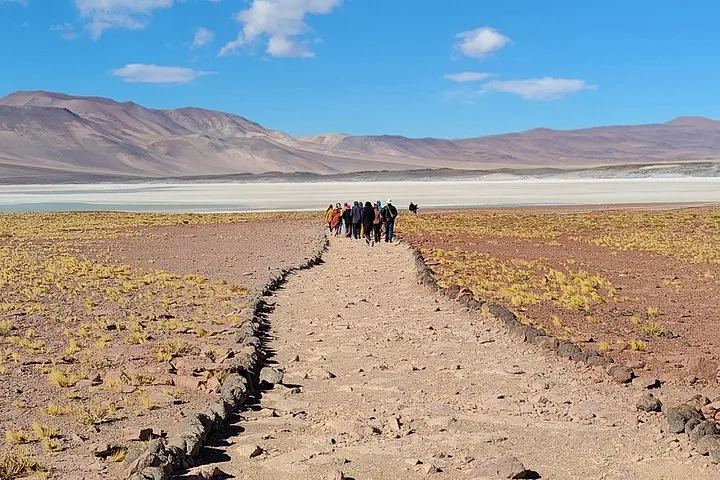
The Salar de Atacama is open and accessible year-round.
While you can visit any month, you must prepare for the specific weather of that season. Guided tours operate constantly from San Pedro de Atacama, and the roads to Laguna Chaxa are maintained throughout the year. Remember that digital entry tickets for Laguna Chaxa are strictly required in advance, regardless of when you visit.
Does it get cold at the Salar de Atacama?
Yes, it gets very cold, especially after sunset and during the winter months.
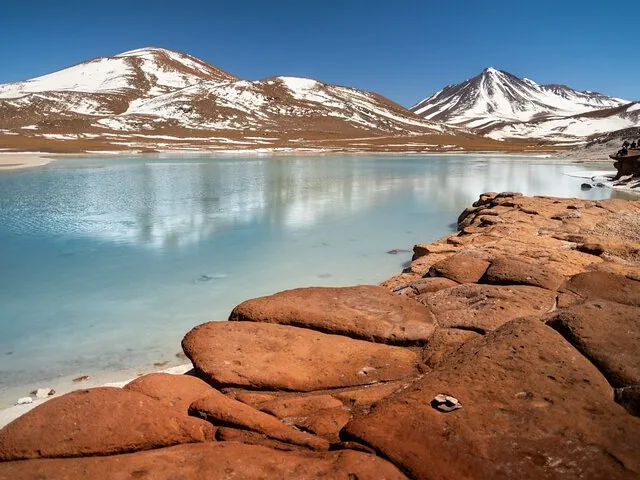
Winter nights (June through August) drop below freezing. Even in warmer months, the temperature drops rapidly as soon as the sun goes down. Always bring a windbreaker or an insulated jacket, especially if you are staying for sunset views or joining a full-day tour that visits higher altitude locations like the Altiplanic Lagoons.

How long should I plan to spend there?
Plan for a half-day or full-day depending on how many lagoons you want to see.
Tours from San Pedro de Atacama typically last between 4 and 10 hours. A basic visit to Laguna Chaxa to see the flamingos takes a few hours including driving time (about 50 to 60 minutes each way). Full-day itineraries often combine the salt flat with the Altiplanic Lagoons or Piedras Rojas.
Is advance booking required year-round?
Yes, advance online reservations are strictly required for entry to Laguna Chaxa at all times of the year.
Cash is not accepted at the gates, and attendants routinely turn away visitors without digital tickets. Entry costs roughly 8,000 to 12,000 CLP for adult foreigners. Make sure you secure your tickets before leaving San Pedro de Atacama, as cell service at the reserve is unreliable.

Questions travellers ask
What should I wear?
Dress in layers. Bring a windbreaker or insulated jacket for sudden temperature drops. Wear sturdy closed-toe walking shoes, high SPF sunscreen, polarized sunglasses, and a wide-brimmed hat.
Are there flamingos year-round?
Yes, flamingos live at the salt flat year-round, but viewing is generally considered best during the spring and autumn months when weather conditions are milder.
Can I fly a drone during my visit?
No, flying drones is strictly prohibited inside the Los Flamencos National Reserve to protect the fragile environment and nesting birds.