In short
- Salar de Uyuni is the world's largest salt flat, located in Bolivia.
- Salar de Atacama is the third largest, known for its rugged crust and lithium.
- Atacama offers easier access from San Pedro de Atacama and excellent flamingo viewing.
In this article
Travelers exploring South America often debate visiting Salar de Uyuni or Salar de Atacama. While both are massive high-altitude salt flats, their surfaces and ecosystems are distinct. Knowing what each offers helps you choose the right excursion for your itinerary.
What is the main difference in appearance?
Uyuni is a flat, expansive white mirror, while Atacama is a rugged, jagged crust of salt polygons.
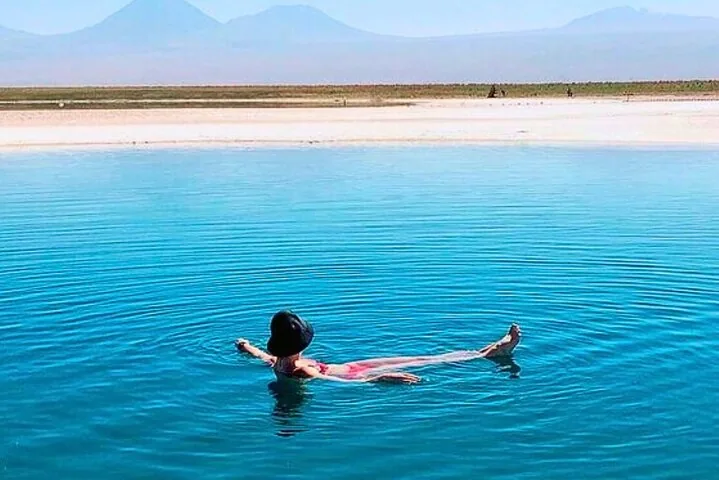
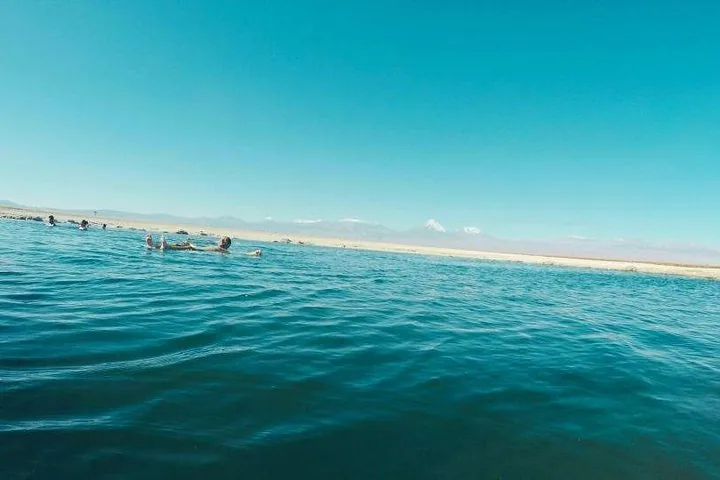
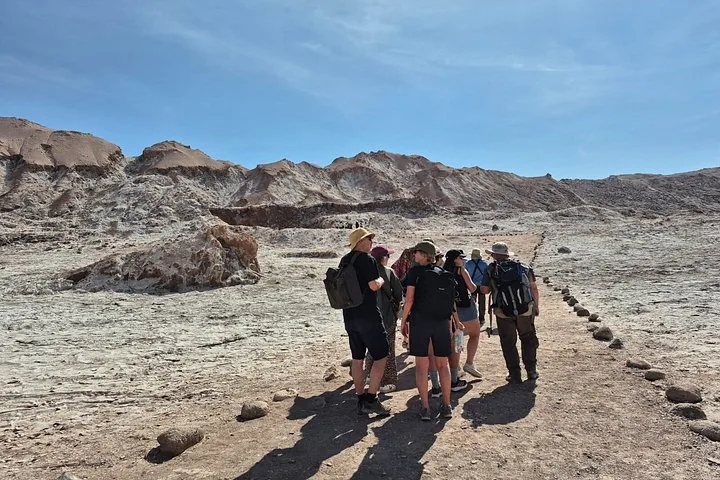
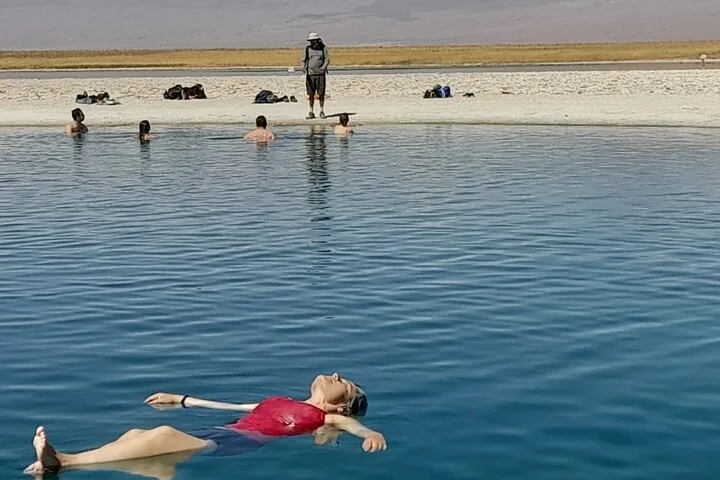
Salar de Uyuni is famous for its vast, mirror-like white expanses that stretch to the horizon. In contrast, Salar de Atacama covers roughly 3,000 square kilometers (1,200 sq miles) with a jagged, rough surface. Atacama is dotted with shallow, mineral-rich lagoons rather than an endless flat sheet.
Which salt flat is better for wildlife?
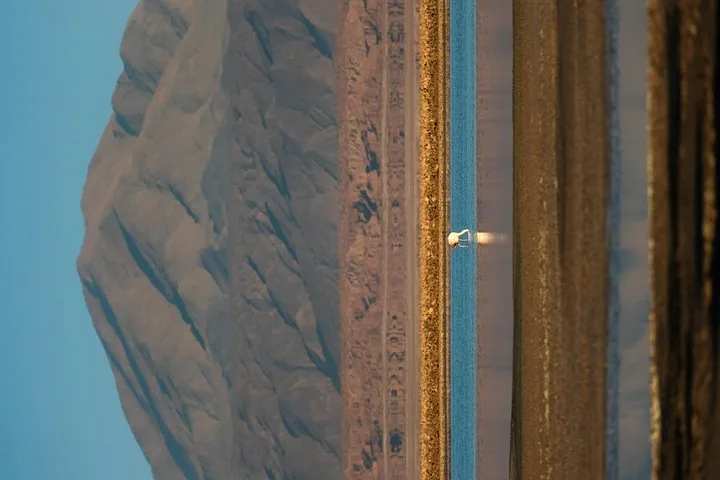
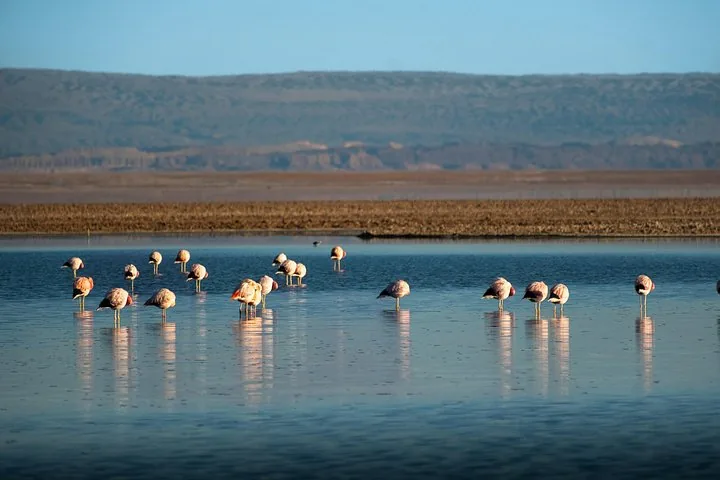
Salar de Atacama is superior for bird watching, specifically for flamingos.
The shallow lagoons of Salar de Atacama serve as a vital feeding ground for birds. At Laguna Chaxa, part of the Los Flamencos National Reserve, you can see three species. These are the Andean, Chilean, and James's flamingos.
How do the elevations compare?
Salar de Atacama sits at a moderate elevation of 2,300 to 2,400 meters (7,500 - 7,900 feet).
This relatively lower altitude makes Salar de Atacama accessible for travelers sensitive to altitude sickness. It is situated just 50 to 55 kilometers south of San Pedro de Atacama. This proximity allows for easy half-day or full-day trips.
Do both flats contain lithium?
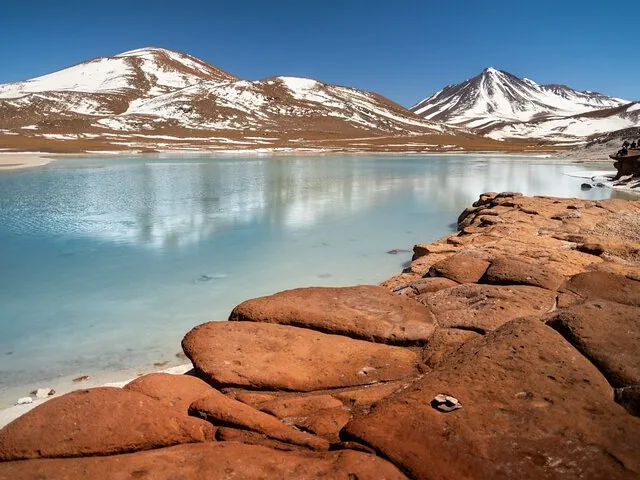
Both regions are rich in lithium, but Salar de Atacama is a primary global source.
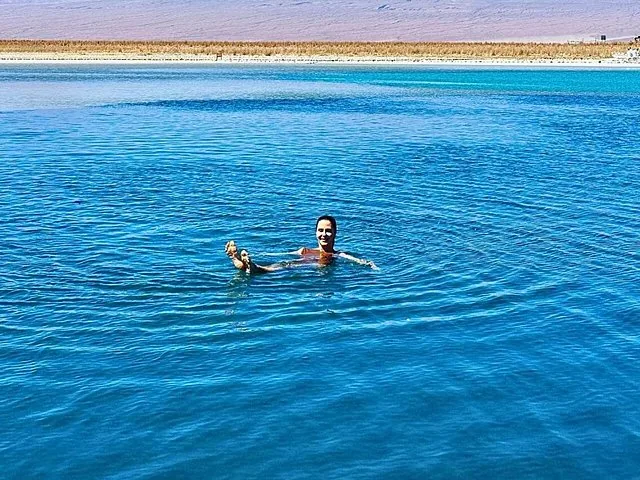
Salar de Atacama holds roughly 40% of the world's total lithium reserves beneath its crust. The mineral concentration contributes to the diverse colors of the surrounding lagoons. This includes the vivid turquoise waters found at Laguna Cejar.
Can I see mirror reflections at Salar de Atacama?
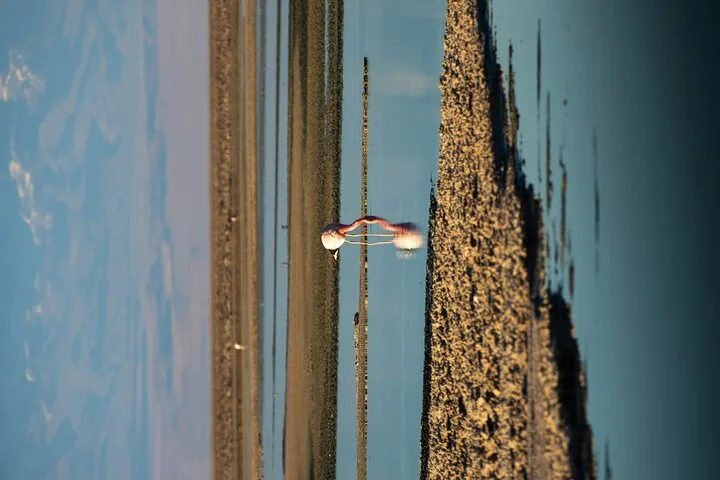
Yes, but on a smaller scale than the massive reflections seen in Uyuni.
While Uyuni is famous for its horizon-wide mirror effect after rain, Atacama offers targeted reflection spots. Laguna Tebinquinche is a large, shallow lake famous for its mirror-like reflections of the Andes mountains at sunset.
What should I pack for these environments?
Both deserts require protection from intense sun and rapid temperature drops.
- High SPF sunscreen and polarized sunglasses for the blinding salt glare.
- A windbreaker or insulated jacket, as temperatures drop rapidly at sunset.
- Sturdy closed-toe walking shoes to navigate the sharp, jagged salt crusts.
Questions travellers ask
What is the difference between Salar de Uyuni and Salar de Atacama?
Salar de Uyuni in Bolivia is the world's largest salt flat, characterized by vast white expanses. Salar de Atacama in Chile is the third largest, featuring a rugged, jagged crust and mineral-rich lagoons filled with flamingos.
Which flamingo species live at Salar de Atacama?
The lagoons at Salar de Atacama, particularly Laguna Chaxa, are home to three flamingo species: the Andean, Chilean, and James's flamingos.
Does it get cold at the Salar de Atacama?
Yes. Temperatures swing wildly in the desert. While summer days can be intensely hot, winter nights routinely drop below freezing. Temperatures also plummet immediately at sunset year-round.